If you want walkability, local restaurants, and a more connected daily routine, living near downtown Nashua may be exactly what you are looking for. For many buyers and renters, the appeal is simple: you can stay close to Southern New Hampshire while enjoying a setting that feels more active and urban than a typical suburban neighborhood. This guide will help you understand the lifestyle, commute options, housing feel, and tradeoffs so you can decide whether downtown Nashua fits your next move. Let’s dive in.
Downtown Nashua Feel
Living near downtown Nashua means being close to the city’s historic and cultural core. The city describes Main Street as a central corridor where retail, residential, municipal, and professional uses sit side by side, which gives the area a classic New England downtown feel.
In everyday life, that often translates to a more walkable routine. You may be able to grab coffee, meet friends for dinner, or run a quick errand without needing to drive across town. Compared with more suburban parts of southern New Hampshire, downtown has a steadier rhythm and more sidewalk activity.
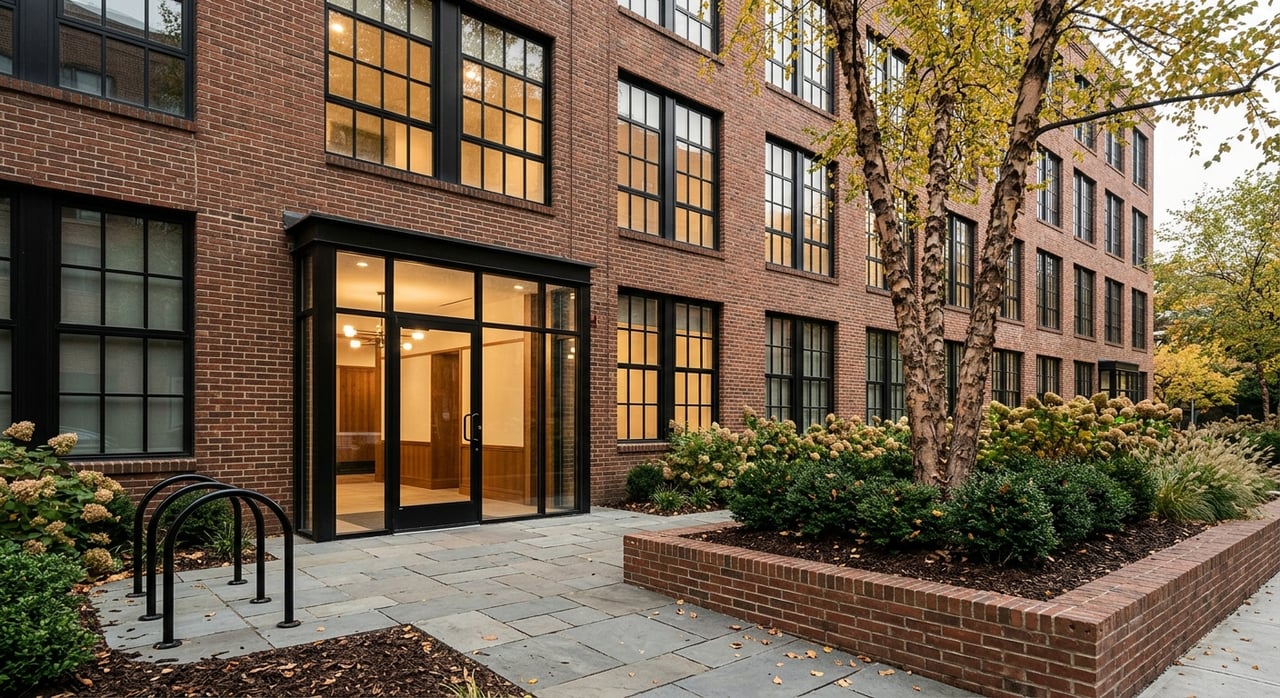
The area also has a compact small-city feel rather than a purely residential one. City information highlights riverfront condominiums, restored or reinvented industrial buildings, and traditional urban neighborhoods as part of downtown’s ongoing renewal.
Housing Near Downtown Nashua
If you picture downtown living in Nashua, think variety rather than one housing type. The area includes condos near the riverfront, residences in updated industrial buildings, and nearby urban neighborhoods with a more traditional layout.
That mix can appeal to different types of movers. First-time buyers may like the lower-maintenance condo options, while renters may appreciate being close to dining and public spaces. Some buyers also choose downtown-adjacent areas because they want easier access to the city center without being directly in the busiest blocks.
What stands out most is the setting. This is not the classic yard-and-driveway experience many people associate with suburban New Hampshire. Instead, you are choosing convenience, location, and a more connected street environment.
Walkability and Daily Life
One of the biggest reasons people choose to live near downtown Nashua is convenience. The city highlights downtown as one of Nashua’s main dining and shopping districts, with brick-lined sidewalks, locally owned businesses, specialty retail, and a wide range of restaurants.
That can make day-to-day life feel easier and more spontaneous. Dinner plans, coffee runs, and weekend browsing can happen within a few blocks. If you enjoy being able to leave home and find activity nearby, this part of Nashua offers that in a way many suburban neighborhoods do not.
Downtown also tends to feel lively across the seasons. The city points to events like the Holiday Stroll, Taste of Downtown, ArtWalk Weekend, the farmers market, and SummerFun, which help create a strong community calendar throughout the year.
Riverfront and Outdoor Access
A common surprise for people exploring downtown Nashua is how much outdoor access is close by. The downtown area includes a 1.1-mile Nashua Riverwalk, and the city has ongoing efforts to improve lighting for safety and public access along the riverfront.
That riverfront setting helps soften the urban feel. You can enjoy a more walkable, active part of the city while still having scenic public space nearby. For many residents, that balance is a big part of downtown’s appeal.
You are also close to Mine Falls Park, a 325-acre park bordered by the Nashua River and the Mill Pond canal system. The city notes that the Millyard is just steps from both downtown and Mine Falls Park, and Rotary Common Park is located right on Main Street just south of Lake Street.
In practical terms, you can move from downtown streets to green space pretty quickly. If you like having both cafés and trails in your routine, this is one of the stronger lifestyle advantages of living near downtown Nashua.
Commuting From Downtown Nashua
Downtown Nashua can be especially appealing if you want commuter access without living in a larger metro area. Nashua has about 91,000 residents and sits roughly 43 miles north of Boston, which makes it a meaningful option for people who want to stay near the Massachusetts line while living in New Hampshire.
For local transit, the Nashua Transit System operates 12 CityBus routes with more than 350 bus stops across Nashua and selected Amherst locations. The Downtown Transit Center is next to City Hall at 30 Elm Street, and fixed-route service runs Monday through Saturday with extended weekday and Saturday hours.
That does not mean every resident will give up a car, but it does make downtown one of the more transit-friendly parts of southern New Hampshire. If reducing some day-to-day driving matters to you, living near the transit center can be a real plus.
Regional travel is another advantage. City information states that Manchester Transit Authority Route 22 runs between downtown Manchester, Nashua, and Manchester-Boston Regional Airport, while Boston Express offers daily service from Nashua’s Exit 8 terminal to Boston South Station and Logan Airport.
For some buyers and renters, that combination helps expand commuting options. You can live in Nashua and still maintain access to Manchester, the airport, or Boston when needed.
Parking and Urban Tradeoffs
Downtown convenience comes with a few practical tradeoffs. Parking in the area is managed more like a city center, with garages, lots, and metered curb spaces rather than wide-open residential parking everywhere.
The city publishes parking limits by zone, with garage and street parking ranging from 2-hour to 9-hour limits depending on location. That system helps support visitors and business activity, but it also means residents need to pay attention to where and how long they park.
This is one of the clearest differences between downtown and more suburban neighborhoods nearby. If you prefer a quieter setting with more private outdoor space and easier parking, downtown may feel more active than you want. If you value walkability and access, the tradeoff may feel worthwhile.
Taxes and Cost Considerations
For buyers relocating from Massachusetts, New Hampshire’s tax structure often gets attention. According to the New Hampshire Department of Revenue Administration, the state does not tax W-2 wages and does not have a general sales tax.
The same state source also notes that the former Interest and Dividends Tax is repealed for tax periods beginning after December 31, 2024. For some movers, that can make New Hampshire worth a closer look.
Still, it is important to look at the full cost picture. Property taxes are local in New Hampshire, so comparing homes should involve both the purchase price and the municipality’s tax structure, not just one headline number.
Who Downtown Nashua Fits Best
Living near downtown Nashua tends to work best if you want a smaller-city lifestyle with daily convenience built in. It can be a strong fit for buyers or renters who like walkable streets, restaurant access, riverfront space, and transit options.
It may also appeal to cross-border movers who want to stay connected to the Boston region while putting down roots in southern New Hampshire. The location offers a different feel from a typical suburban neighborhood without moving into a major city.
At the same time, downtown is not for everyone. Busy weekends, event traffic, managed parking, and a more active streetscape are all part of the experience. The key is knowing which tradeoffs match the way you actually want to live.
If you are weighing downtown Nashua against nearby neighborhoods, having local guidance can make the decision much easier. The right fit depends on your commute, housing goals, and the kind of daily routine you want. If you want help comparing options in Nashua or across Southern New Hampshire, Tim Morgan can help you narrow down the areas that best match your lifestyle.
FAQs
What is downtown Nashua like for daily living?
- Downtown Nashua offers a more walkable and active routine than many suburban areas, with restaurants, shops, public spaces, and municipal services located close together around Main Street.
What kinds of homes are near downtown Nashua?
- Housing near downtown Nashua includes riverfront condominiums, residences in restored industrial buildings, and nearby traditional urban neighborhoods.
Is downtown Nashua good for commuters?
- Downtown Nashua can work well for commuters because it offers local CityBus access, a Downtown Transit Center, and regional connections to Manchester, Manchester-Boston Regional Airport, Boston South Station, and Logan Airport.
How is parking near downtown Nashua?
- Parking near downtown Nashua is managed through garages, lots, and metered street spaces, with time limits that vary by location from 2 hours to 9 hours.
Are there parks near downtown Nashua?
- Yes. Downtown Nashua is close to the Nashua Riverwalk, Mine Falls Park, and Rotary Common Park, giving residents access to both urban amenities and outdoor space.
Why do some Massachusetts buyers consider Nashua?
- Some Massachusetts buyers look at Nashua because New Hampshire does not tax W-2 wages and does not have a general sales tax, though property taxes should still be reviewed as part of the full cost of ownership.