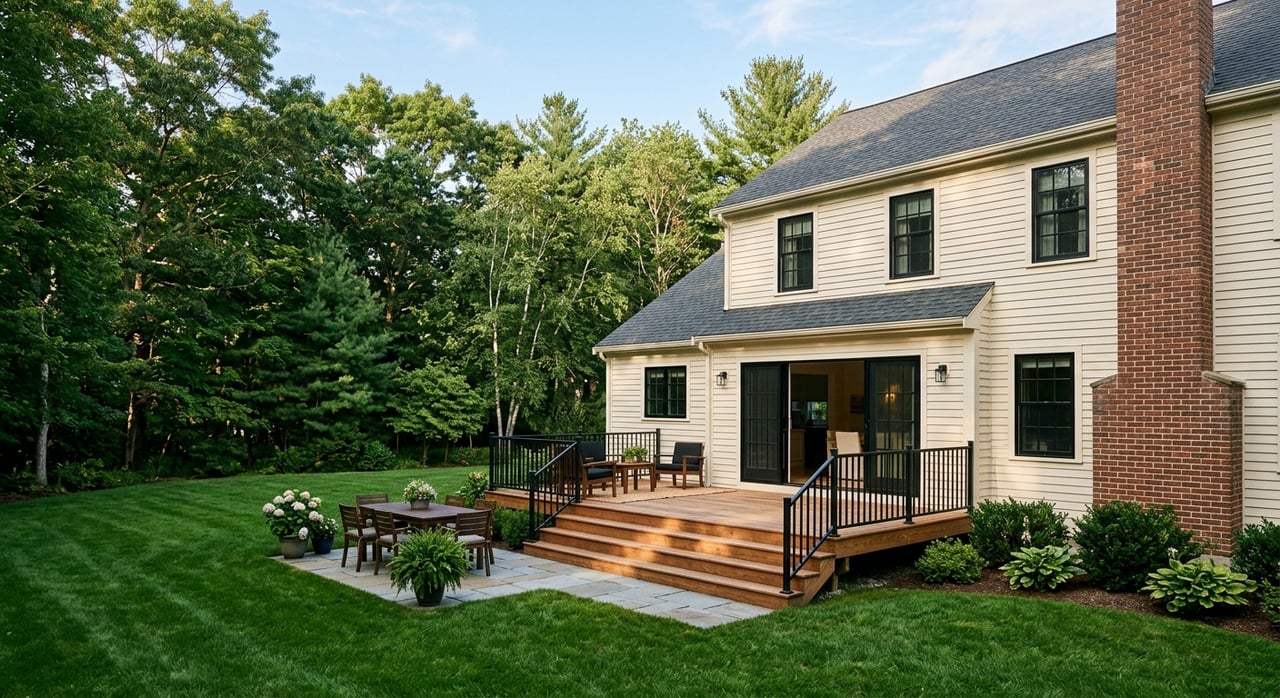
Trying to choose between Hudson and Nashua? If you are comparing the two, you are probably weighing the same trade-offs many Southern New Hampshire buyers face: price, space, commute, and the kind of home you can realistically find. The good news is that both markets offer strong options, but they deliver different value depending on your budget and lifestyle. Here’s a clear, current look at what buyers can get in Hudson versus Nashua, and where each market may fit you best. Let’s dive in.
Price and competition
If you start with price alone, Hudson is the lower-cost market right now. Redfin’s May 2026 market snapshot shows a median sale price of $459,725 in Hudson compared with $524,686 in Nashua. That is a difference of $64,961, or about 14.1% more in Nashua.
That lower price in Hudson does not mean an easier market. In fact, Hudson is moving faster and more aggressively. The median days on market is 6 in Hudson versus 24 in Nashua, and Hudson homes averaged 5 offers compared with 4 in Nashua.
The sale-to-list ratio also shows how competitive each market feels on the ground. Hudson came in at 104.4%, while Nashua was at 101.5%. On top of that, 86.9% of Hudson homes sold above list price, compared with 60.6% in Nashua.
What does that mean for you? Hudson may stretch your budget a bit further on purchase price, but you may need to move quickly and write a strong offer. Nashua may cost more overall, yet the longer pace and broader inventory can give you a little more time to compare options.
Housing types differ a lot
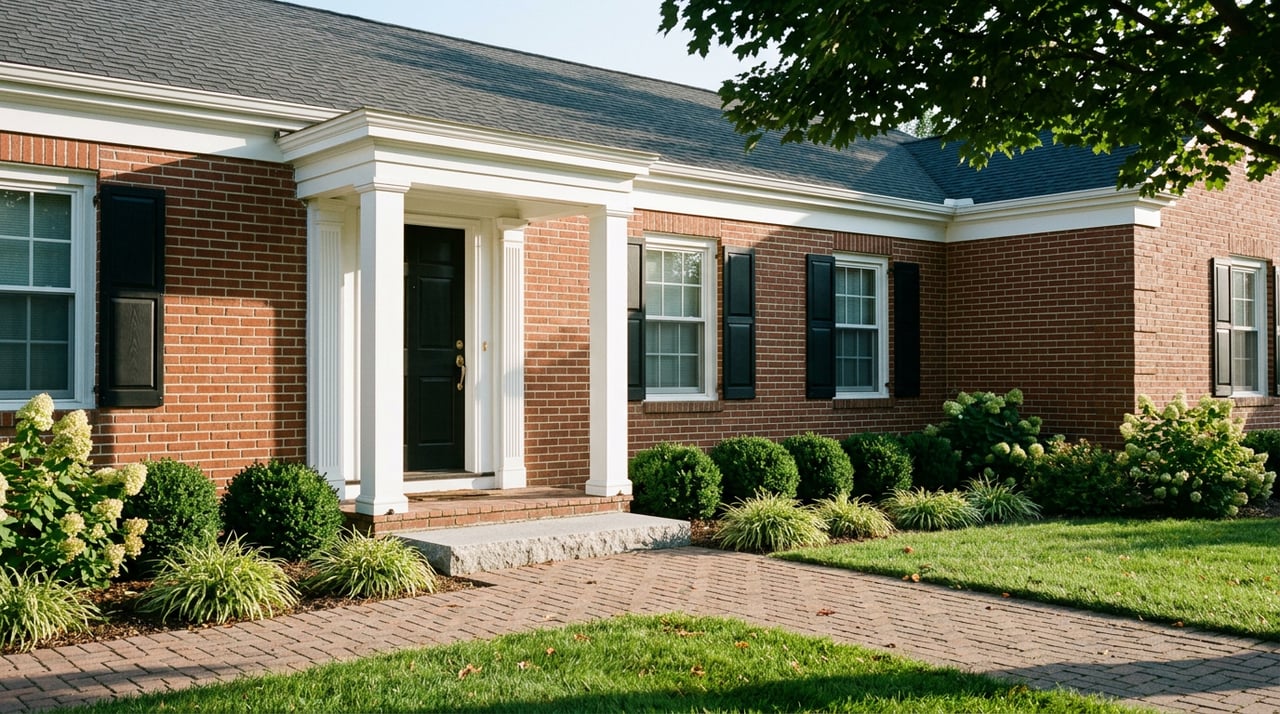
One of the biggest differences between Hudson and Nashua is not just price. It is the type of housing you are most likely to find. If you want a detached home with more land around it, Hudson tends to line up better with that goal.
Hudson’s zoning reflects a larger-lot pattern. Official zoning tables list minimum lot sizes of 30,000 square feet in some R-1 areas with water and sewer, 43,560 square feet without, 43,560 to 60,000 square feet in R-2, and 87,120 square feet in G-1. By comparison, Nashua’s RB-Urban Residence district has a 6,000 square foot minimum lot area.
That does not mean every Hudson home sits on a huge lot or every Nashua home sits close together. Still, the planning framework helps explain why Hudson often feels lower density and more suburban, while Nashua offers a wider range of residential formats. If lot size and breathing room are high on your list, Hudson has a clear structural advantage.
What the housing stock tells you
Planning documents reinforce the same pattern. Hudson’s master-plan materials say that since 2000, more than 1,500 housing units were built, and about 72% of them were single-family detached homes. The remaining 28% were multi-family structures.
At the same time, Hudson has historically permitted a mix of housing types, including duplexes and multi-family housing, at moderate densities. So while Hudson leans heavily toward detached homes, it is not single-format. You can still find some variety, just not at the same scale as Nashua.
Nashua’s official housing information describes a broad spectrum of options, including single-family homes, apartments, and condominiums. Its master plan says single-family housing makes up 52% of all housing units, while buildings with fewer than 10 units account for 74% of all units and 93% of residential land area.
For buyers, that usually translates into a simpler takeaway: Nashua gives you more ways to enter the market. If you are open to a condo, attached home, or a smaller urban-style footprint, Nashua tends to offer more paths.
Current listings show the contrast
The recent listing mix makes the difference even easier to see. Last month, Hudson had 6 condos, 1 townhouse, and 1 multi-family property for sale on Redfin. Nashua had 78 condos, 4 townhouses, and 14 multi-family properties.
That is not a permanent rule, and inventory changes all the time. But as a current-market guide, it strongly suggests that Nashua offers a much deeper attached-housing pool. Hudson’s visible inventory still skews more toward detached homes.
If you are a first-time buyer trying to keep monthly costs manageable, or a downsizer looking for lower-maintenance living, Nashua may give you more options to review. If you are focused on a traditional suburban single-family home, Hudson may feel more aligned with your search.
Negotiation may feel different
Buyers often ask where they have a better shot at negotiating. Based on current market data, Nashua may offer a little more flexibility. The longer median days on market, lower sale-to-list ratio, and broader number of listings all point in that direction.
Nashua also shows more room for adjustments, including 15.4% of homes with price drops on the Redfin market page. That does not guarantee a deal on any specific property, but it does suggest that some sellers are making changes to attract buyers.
Hudson is a different story. With homes moving in 6 days and most selling above list, buyers usually need to be prepared before the right home hits the market. In practical terms, that often means tighter timelines, faster decisions, and less room to hesitate.
Commute and transportation options
Commute style is another major dividing line between these two markets. Hudson is about 29 square miles with a population of about 25,000, and it sits near the F.E. Everett Turnpike on the west and I-93 on the east. That location works well for drivers who want regional highway access.
Hudson’s transit services are more limited. The town’s transit pages focus on NTS City Lift for residents and individuals with disabilities, along with Hudson Demand Response, an origin-to-destination service for Hudson residents. For many buyers, that points to a mostly car-first lifestyle.
Nashua is larger, with 91,322 residents counted in the 2020 Census. The city’s highway network includes the F.E. Everett Turnpike and U.S. Route 3, with eight major highway exits. Nashua also operates CityBus, a fixed-route transit system with 12 routes, more than 350 bus stops, weekday and Saturday service, nighttime service, ADA paratransit, and demand-response options.
If you do not want to drive for every trip, Nashua is the stronger transit choice. If you want highway convenience paired with a quieter, lower-density setting, Hudson may be the better fit.
Which buyers may prefer Hudson
Hudson often appeals to buyers who want more of a suburban setup. If your priority is a single-family home, a larger lot pattern, and a lower median sale price than Nashua, Hudson checks those boxes well.
It can also make sense if you are comfortable acting fast. Because the market is highly competitive, the buyers who do best in Hudson are usually the ones who know their budget, understand their must-haves, and are ready to move when the right property appears.
In short, Hudson may be a better fit if you want:
- A lower median purchase price than Nashua
- A market that leans toward detached homes
- Larger-lot development patterns
- A quieter, more car-dependent suburban feel
Which buyers may prefer Nashua
Nashua often works better for buyers who want more housing variety and more flexibility in the search. The broader supply of condos, apartments, multi-family properties, and single-family homes creates more entry points at different price levels and maintenance preferences.
It may also be a better match if transportation options matter to you. With citywide bus service, multiple highway exits, and both downtown and suburban housing patterns, Nashua supports more than one style of daily living.
Nashua may be a better fit if you want:
- More condo and attached-home options
- A wider selection of listings to compare
- More potential room for negotiation
- Fixed-route transit and more urban convenience
The real question is how you want to live
Hudson versus Nashua is not really about which town is better. It is about what matters most to you in this stage of your move. Hudson generally buys a lower median price and a lower-density housing pattern, while Nashua generally buys more variety, more transit support, and a deeper listing pool.
That is why local guidance matters. A home search can look very different depending on whether you are prioritizing lot size, maintenance level, offer strategy, or commute routine. The right choice is the one that matches how you want to live day to day, not just the headline price.
If you want help comparing homes in Hudson and Nashua based on your budget and goals, reach out to Tim Morgan for local guidance and a smart plan for your next move.
FAQs
What is the current price difference between Hudson and Nashua homes?
- As of May 2026, the median sale price was $459,725 in Hudson and $524,686 in Nashua, a difference of $64,961.
Which market is more competitive for buyers, Hudson or Nashua?
- Hudson is currently more competitive, with a 6-day median market time, 5 average offers, a 104.4% sale-to-list ratio, and 86.9% of homes selling above list.
Which city has more condos and attached housing, Hudson or Nashua?
- Nashua has a much deeper attached-housing pool based on recent listings, including 78 condos compared with 6 in Hudson.
Is it easier to negotiate on a home in Nashua than in Hudson?
- Current data suggests Nashua may offer more room for negotiation because homes take longer to sell, the sale-to-list ratio is lower, and some listings have price drops.
Which area is better for buyers who want larger lots, Hudson or Nashua?
- Hudson generally aligns better with that goal because its zoning includes much larger minimum lot sizes than Nashua’s RB-Urban Residence district.
Which city offers better public transit for homebuyers, Hudson or Nashua?
- Nashua offers stronger transit options with a fixed-route bus system, while Hudson’s services are more limited and support a more car-dependent lifestyle.