Wondering which part of Manchester fits the way you want to live? That is a smart question, because Manchester is not a one-style housing market. From loft-style downtown living to older two-family homes on the West Side and more suburban-feeling areas near the city edges, your options can change fast from one district to the next. This guide will help you understand the city’s main housing patterns, what types of homes you are most likely to find, and how to narrow your search with more confidence. Let’s dive in.
Why Manchester feels so varied
Manchester is a mid-sized city with 116,818 residents, and its housing stock reflects a long history of growth and change. The city includes single-family homes, duplexes, townhouses, condominiums, mixed-use apartments, garden-style apartments, and high-rise residential buildings. That variety is one reason buyers and sellers often need neighborhood-level guidance rather than broad citywide assumptions.
The city also has a large share of older homes. Local health and planning information notes that many homes were built before 1950, which means older construction is a major part of the market. If you are shopping in Manchester, age of housing is often just as important as price, layout, or commute time.
How zoning shapes Manchester homes
Manchester’s zoning helps explain why the city changes character so quickly. In general, the outer parts of the city are intended for lower-density suburban single-family homes, while areas closer to the center allow more two-family, townhouse, multifamily, and mixed-use housing. Downtown is planned for the broadest mix of high-density residential and commercial uses.
For you as a buyer or seller, that matters because neighborhood feel often follows this density pattern. If you want more yard space and a more suburban setup, you will usually look toward the periphery. If you want walkability, mixed-use buildings, or condo and apartment options, the closer-in districts tend to offer more of that.
Downtown homes in Manchester
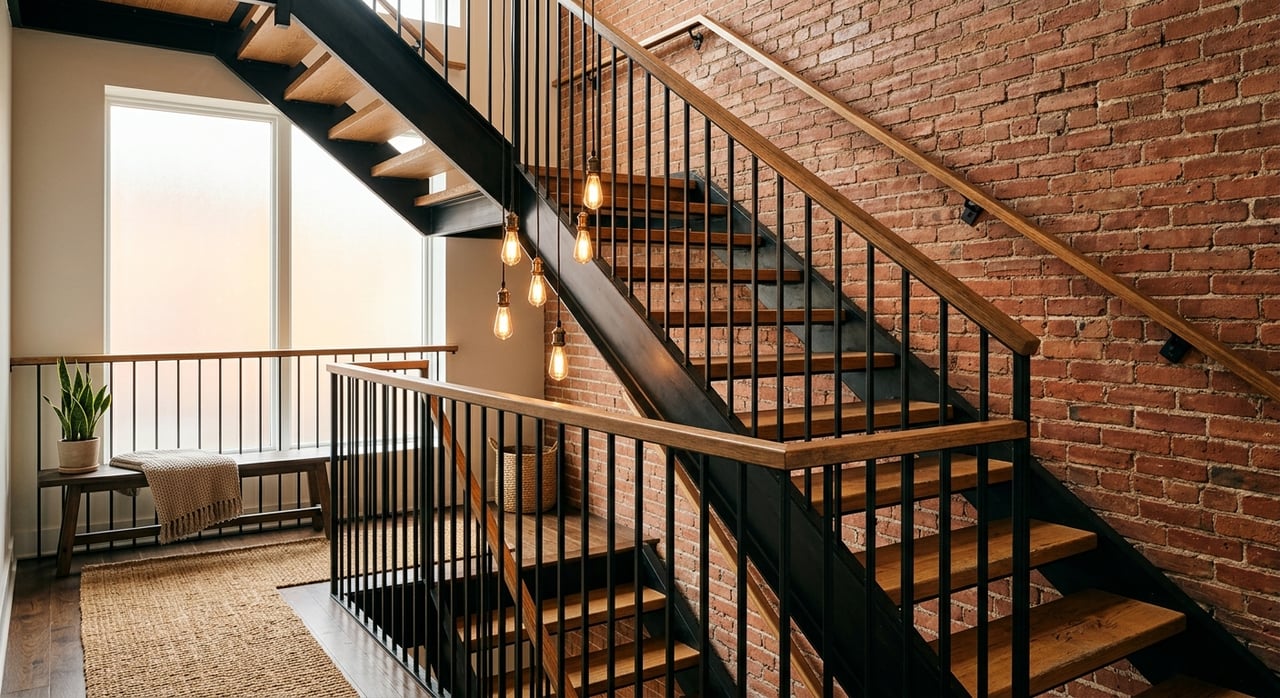
Downtown, the Millyard, and South Downtown are the clearest examples of Manchester’s higher-density housing pattern. City planning documents support residential growth here through upper-story conversions, mixed-use projects, and reuse in the downtown and Millyard area. In real-world terms, this area is more associated with loft-style units, apartments, condos, and converted mill housing than with detached homes on larger lots.
If you like being close to the urban core, this part of Manchester may stand out. The city also highlights transit access and the free Green DASH downtown shuttle, which adds to the convenience factor. For many buyers, the tradeoff here is simple: you often gain location and a more active mixed-use setting, but usually with less private outdoor space.
What to expect downtown
- Loft-style condos and apartments
- Converted mill residences
- Mixed-use buildings with residential upper floors
- Higher-density living with less yard space
West Side and Rimmon Heights homes
The West Side, especially Rimmon Heights, shows one of Manchester’s most recognizable older housing mixes. City reporting says the western and northern portions of Rimmon Heights include single- and two-family homes, while the eastern and southern portions have a mix of large apartment flats and multifamily homes. This makes the area a strong example of how Manchester blends older urban housing types within one neighborhood area.
For buyers, this means your options can be broad even within a relatively small section of the city. You may find detached homes, side-by-side or stacked two-family properties, and larger multifamily structures depending on the specific street. If you are comparing flexibility, housing variety is one of the West Side’s defining features.
What to expect on the West Side
- Older single-family homes
- Two-family properties
- Multifamily buildings and apartment flats
- A more urban, older-housing feel than outer neighborhoods
North End homes and older residential streets
The North End is commonly understood as one of the areas where older detached homes are more typical. Based on the city’s zoning and land-use pattern, this part of Manchester includes older single-family housing, with some two-family and small multifamily pockets near busier corridors. Livingston Park is part of this broader area and helps shape the neighborhood identity.
If you are looking for an older detached home within the city, the North End is often part of the conversation. At the same time, it is helpful to remember that Manchester is not made up of hard and simple housing boundaries. Even in areas known for single-family homes, busier roads and transition corridors can introduce more housing variety.
South Manchester homes near South Willow
South Manchester, including the South Willow area and the airport side, often appeals to buyers who want detached homes and strong driving access. The city notes that South Willow Street is the most traffic-congested area in Manchester, and local trail planning is aimed at connecting more neighborhoods to South Willow amenities. Fire Station 9 also describes its district as including the airport, industrial and manufacturing facilities, and a majority of single-family homes.
That combination creates a very specific housing pattern. In general, this area is a fit for buyers who value access to retail, major roads, and airport convenience, while still focusing on detached housing. The tradeoff can include more commercial activity and some industrial adjacency depending on where you are looking.
What to expect in South Manchester
- A high share of single-family homes
- Convenient access to South Willow amenities
- Strong regional driving access
- Some proximity to airport, commercial, and industrial uses
East Side homes near Lake Massabesic
On the East Side, Lake Massabesic plays a major role in how the area feels and develops. The lake serves as the city’s water supply, and the surrounding area is shaped by watershed protections and zoning rules. Because of that, the east-side edge is generally better understood as lower-intensity residential and open-space-oriented rather than a dense multifamily district.
For buyers, that often translates into a different pace and setting from downtown or the inner West Side. The Rockingham Recreational Trail also connects east-side residents to urban Manchester and back toward the lake area. If you are drawn to open space and a less dense pattern, the East Side may deserve a closer look.
Newer subdivisions and edge-of-city areas
If your priority is newer development, larger lots, or a more suburban feel, Manchester’s outer areas are usually the best place to start. The city’s master plan specifically points to Hackett Hill as a location for new single-family development. The zoning code also reserves the periphery for low-density suburban single-family homes.
This is often the part of Manchester that attracts buyers comparing the city to nearby suburban communities. You may still be within Manchester, but with a housing pattern that feels less urban than downtown, the Millyard, or older inner neighborhoods. For many people, this creates a middle ground between city access and suburban-style living.
Comparing Manchester neighborhood patterns
Instead of thinking about Manchester as a set of rigid neighborhood borders, it helps to think in terms of housing patterns. That approach is often more useful when you are deciding where to focus your home search.
| Area | Homes you are likely to find | Overall pattern |
|---|---|---|
| Downtown / Millyard | Lofts, condos, apartments, mixed-use residences | Higher-density, walkable, urban |
| West Side / Rimmon Heights | Single-family, two-family, multifamily | Older mixed housing stock |
| North End | Older detached homes, some two-family pockets | Established residential feel |
| South Manchester | Mostly single-family homes | Auto-oriented, convenient access |
| East Side / Lake Massabesic edge | Lower-intensity residential near open space | Less dense, lake-influenced |
| Outer areas / Hackett Hill | Newer single-family homes | More suburban feel |
What buyers should weigh first
When you compare neighborhoods in Manchester, the key decision is usually not just budget. In many cases, it comes down to density, age of housing, commute style, and how much outdoor space you want. Those factors often shape your day-to-day experience more than the city name on the mailing address.
A few questions can help you narrow your search:
- Do you want a detached home, condo, townhouse, or multifamily property?
- Are you comfortable with older housing stock, or do you prefer newer construction?
- Is walkability important, or do you want easier auto access?
- Would you trade yard space for a more central location?
- Do you want to be closer to downtown activity, retail corridors, trails, or open space?
Why location matters beyond the neighborhood
Manchester’s regional connectivity is part of its appeal. The city notes that Boston, the Atlantic Coast, and the White Mountains and Lakes Region are all within about an hour’s reach, helped by major highway access and Manchester-Boston Regional Airport. City directions regularly point travelers to I-93, I-293, and Route 101, which reinforces how connected Manchester is within Southern New Hampshire and beyond.
That matters because your ideal neighborhood may depend on where else you need to go. Some buyers want easier access to downtown and daily conveniences, while others care more about airport access or smoother highway connections. In Manchester, those practical considerations often help narrow the map quickly.
If you are weighing where to buy or sell in Manchester, neighborhood guidance can make the process much easier. The right fit often comes down to matching your priorities with the city’s housing patterns, block by block and corridor by corridor. If you want local insight on where to focus your search or how to position your current home for the market, connect with Tim Morgan for practical, neighborhood-level advice.
FAQs
What types of homes are most common in downtown Manchester, NH?
- Downtown Manchester is most associated with loft-style units, apartments, condos, and converted mill housing in higher-density mixed-use settings.
What kind of homes can you find in Manchester’s West Side and Rimmon Heights?
- The West Side and Rimmon Heights include a mix of older single-family homes, two-family properties, apartment flats, and multifamily buildings.
Where can buyers find more single-family homes in Manchester, NH?
- South Manchester and the city’s outer areas are generally the places most associated with single-family homes, especially in lower-density parts of the city.
Are there newer subdivisions in Manchester, NH?
- Yes. Manchester’s master plan points to Hackett Hill for new single-family development, and the city’s periphery is intended for lower-density suburban-style housing.
How does Lake Massabesic affect housing on Manchester’s East Side?
- Lake Massabesic and related watershed protections help shape the East Side into a lower-intensity residential and open-space-oriented area rather than a dense multifamily district.
What should buyers compare when choosing a Manchester neighborhood?
- Buyers should compare housing type, age of homes, density, commute access, and how much yard space or walkability they want.